

How many times have you read the label on a package of bread or cereal and seen the words “whole grains”? And did you know exactly which grains were considered “whole”?
The FDA defines whole grains as consisting of the “intact, ground, cracked, or flaked fruit of the grain.” This includes the bran and germ.1 The following list of grains can be considered “whole” when they are eaten in their natural form. That means they are not processed.
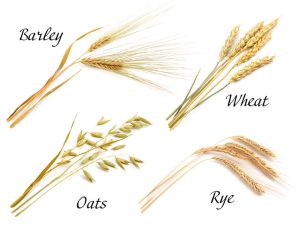 Wheat
Wheat- Quinoa
- Brown rice
- Corn
- Rye
- Rolled oats
- Barley
- Sorghum
- Spelt
If you’re not yet eating whole grains on the regular, you should start. Read on to find out more about why they’re important for your diet.
Eating Whole Grains for Vitamins
It’s often said that fruits and vegetables are great for overall wellness. While that’s true, don’t forget about the vitamins and minerals in whole grains. You’re likely to add the following nutrients to your diet:
- B Vitamins
- Folic acid
- Vitamin E
- Magnesium
- Selenium
- Copper
- Zinc
- Dietary fiber2
Whole-grain foods are also chock full of phytochemicals. These vitamins and minerals might be able to help you stay in good health. Interested in the benefits of whole grains? Keep reading.
Why Are Whole Grains so Good For You?
So, you know that whole grains, like wheat, might be good for you. But have you ever thought about why? Whole grains might help lower the risk of certain chronic health issues. Turns out, they’re linked to the following health benefits:
- Reduced risk of obesity
- Weight loss
- Reduced risk of heart health issues
- Reduced chance of high blood pressure
- Improved gut health3
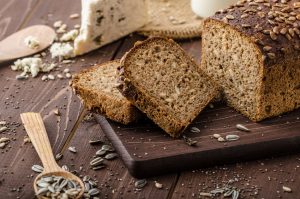 Not a bad start to better health, right? But remember, this refers only to whole, unrefined grains.
Refined grains are different. That’s because refined grains have been milled to extract the bran and germ. And this takes away most of the iron, dietary fiber, and other nutrients found in whole grains.4
And when eating whole grains (or whole grain-based products) it’s best to pay close attention the portion size. One of the reasons some people associate grains (yes, even whole grains) with obesity is that many people simply eat too many — well beyond a single serving.
When refined grains are milled, their shelf life is improved. But the loss of dietary fiber, iron, and B vitamins in refined grains (like wheat flour) is significant.
So, if you’re going to get your vitamins from refined grains, try to avoid these refined grains:
- All-purpose flour
- Wheat flour
- Degermed cornmeal
- White bread
- White rice
Whole Grains: The Nutrient Breakdown
Remember, you want to focus on finding whole-wheat bread, whole-wheat pasta, and other whole grain products. That’s because the nutrient content is naturally higher in whole-grain foods. Nutrients can get diminished when refined flours are manufactured.5 That said, the following nutrients can be found in many whole grain products.
B Vitamins
There are quite a few B vitamins, which might help with metabolism. Overall, B vitamins help maintain healthy enzymes so they can do their jobs. These bodily functions include…
- Releasing energy from carbohydrates and fat
- Breaking down amino acids
- Transporting oxygen
- Transporting energy-containing nutrients throughout your body6
Dietary Fiber
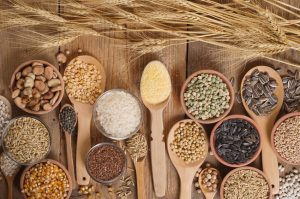 Why is dietary fiber so great? Well, it helps you feel full for a longer period of time. And it helps a great deal with digestion. Dietary fiber comes from all the plant foods you eat. These include:
- Vegetables
- Beans
- Fruits
- Whole grain products
If you up your intake of dietary fiber, you might enhance weight loss efforts, as well as supporting your overall health.
But there are more benefits to adding a significant amount of dietary fiber to your diet. Namely, dietary fiber can help with:
- Digestive irritation
- Digestive regularity
- Digestive comfort
Magnesium
Magnesium is a big deal for your body. It helps to stabilize enzymes that process fats and proteins.
Magnesium helps with muscle contraction and relaxation. It also contributes to vascular health, monitors heart rhythm, and helps form bone.8

Zinc, Copper, Manganese, & Selenium
Whole grain foods (like steel-cut oats or whole-wheat bread) also include several minerals. Zinc, copper, manganese, and selenium are at the top of the list.
Fun fact: Steel-cut oats can even be part of a gluten-free diet. But let’s not digress.
The fact remains, the zinc in whole wheat can help your immune system fend off bacteria and viruses.9 Copper is required for growth, cardiovascular health, lung function, and iron metabolism.10 Manganese helps manage oxidative stress and builds healthy cartilage and bone.11 And selenium helps prevent free radical damage.12
So, What are the Best Whole Grains for Your Diet?
Again, include whole-wheat bread if you’re eating wheat bread — but if you choose not to eat gluten, remember — whole grain does NOT equal gluten free. Wheat, spelt, and einkorn all contain gluten, as do many whole grain rye breads.
If you’re a rice fan, go for brown rice if you’re creating a rice dish. Quinoa is a fantastic whole grain for hot or cold dishes. Try eating a quinoa salad, or replace your favorite pasta with quinoa.
 Of course, you want to meet the right dietary guidelines. And getting whole grains into your diet isn’t hard. These days, you can find whole-wheat pasta on your grocer’s shelf. And you can still enjoy your favorite baked goods when made with whole grains.
So, what’s the magic ingredient when it comes to a healthy diet? You guessed it: whole grains!
Learn More:
Does Yoga Improve Digestion? Simple Postures for Gut Health
Is Your Gut Bacteria Controlling Your Food Cravings?
Mindfulness May Better Your Physical Health, New Study Reveals
Sources
1 https://www.ncbi.nlm.nih.gov/pmc/articles/PMC3078018/
2 https://www.ncbi.nlm.nih.gov/pubmed/11478475
3 https://www.ncbi.nlm.nih.gov/pubmed/22129328
4 https://health.gov/dietaryguidelines/2015/resources/2015-2020_dietary_guidelines.pdf
5 https://www.ncbi.nlm.nih.gov/pmc/articles/PMC4462159/
6 https://www.hsph.harvard.edu/nutritionsource/vitamins/vitamin-b/
7 https://www.ncbi.nlm.nih.gov/pubmed/19335713
8 https://www.ncbi.nlm.nih.gov/pmc/articles/PMC4455825/
9 https://www.ncbi.nlm.nih.gov/pmc/articles/PMC3724376/
10 https://www.ncbi.nlm.nih.gov/books/NBK225407/
11 https://www.ncbi.nlm.nih.gov/pmc/articles/PMC5907490/
12 https://www.ncbi.nlm.nih.gov/pubmed/16105679