

For vegans, vegetarians, and others following a plant-based diet, it can be a challenge to find satisfying foods that are rich in iron. This essential nutrient is a component of hemoglobin, a protein that helps bring oxygen into the body from the lungs, and also of myoglobin, which supports muscle metabolism. Iron has been shown to be important for neurological development, hormone synthesis, and a range of other vital bodily functions.1 You probably already know that iron is not produced in the body and must be gained through food, but did you also know that iron comes in two (very) different types? 2 Read on to find out more, especially if you’re looking for vegan food rich in iron.
Two Different Types: Understanding ‘Heme’ Iron And ‘Nonheme’ Iron
Dietary iron comes in two main forms: heme iron (rhymes with ‘meme’) and nonheme iron. Vegetarians consume mostly nonheme iron, which is found in plants and fortified foods, while meat, seafood, and poultry provide omnivores with both heme iron (from the meat itself) and nonheme iron (from plants consumed by the animals). 3
How Much Iron Do You Need?
Iron requirements vary through life. They differ between men and women, and depend partly on diet:
| Recommended Dietary Allowances (RDAs) For Iron (nonvegetarian) 4 | ||||
| Age | Male | Female | Pregnancy | Lactation |
| 0-6 months | 0.27 mg | 0.27 mg | ||
| 7–12 months | 11 mg | 11 mg | ||
| 1–3 years | 7 mg | 7 mg | ||
| 4–8 years | 10 mg | 10 mg | ||
| 9–13 years | 8 mg | 8 mg | ||
| 14–18 years | 11 mg | 15 mg | 27 mg | 10 mg |
| 19–50 years | 8 mg | 18 mg | 27 mg | 9 mg |
| 51+ years | 8 mg | 8 mg | ||
The issue with iron is absorption in the body. Heme iron (from animals) is more bioavailable than nonheme iron (plant-based). That means it’s more difficult for the body to absorb plant-based iron. Additionally, the absorption of nonheme iron is itself increased by the presence of meat, poultry, and seafood. As a result, to maintain healthy iron levels, people eating vegetarian or vegan diets need 1.8 times the iron RDA of meat-eaters. A vegetarian female in her 30s would need at least 32mg per day of iron, and as much as 49mg if she became pregnant. 5 This would equate to the bioavailable iron content of six cups (3 lbs) of white beans.
Obviously, no one should eat such a monoculture diet, and in fact, good iron absorption is often a function of the other foods you eat alongside iron-rich foods.
Get Your Daily Iron Intake On A Vegan Diet: Plant-Based Foods Can Be Good Sources Of Iron
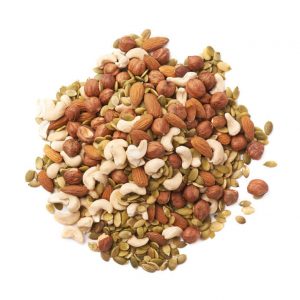 The good news is that many tasty and satisfying vegan foods contain plenty of iron, and its bioavailability can often be raised through combinations. Savory sources of iron include:
- Nuts and seeds, especially pistachios and cashews, macadamia nuts, pumpkin seeds, (unhulled) sesame seeds, pine nuts, hemp, flax, and chia seeds. Choose raw, unblanched nuts and seeds for maximum nutritional value, and unprocessed, natural nut butters without added ingredients.
- Foods made from the above nuts and seeds. For example, tahini (from sesame seeds) is an important ingredient in hummus (made with chickpeas, another terrific source of iron). Just throw a can of chickpeas in a food processor and add 1 clove minced garlic, 1-2 Tbsp olive oil, plenty of spices (cumin, cayenne, paprika, pepper), the juice of half a lemon, and salt to taste. Blitz until combined; gradually add about 1 Tbsp ice water for a smoother texture.
- Potatoes (unpeeled) and sweet potatoes are also great sources of fiber.
- Tomato sauce. Tomatoes yield their nutrients better if dried or concentrated, so try making ‘sun-dried’ cherry or grape tomatoes in the oven at home, or develop your own pasta or pizza sauce with fresh basil and garlic.
- Mushrooms, particularly white and oyster varieties (but not portobello or shiitake).
And when you’re craving something sweet that still packs a good portion of iron, try the following:
- Dark chocolate which is also a good antioxidant source
- Blackstrap molasses but only in moderation as it’s very high in sugar
- Prune juice
- Raisins6
- Dried apricots 7
Grains are excellent sources of iron, particularly:
- Quinoa grains taste better when toasted in a little olive oil before cooking. Try a green salad of quinoa with parsley, mint, avocado, and olives; include quinoa in chili, or make your own veggie burgers. 8,9
- Amaranth also benefits from toasting and can make an interesting change for breakfast, with a healthy mix of fruit, and nuts. 10
- Fortified breakfast cereals can be good iron sources, but read the label carefully and avoid cereals with lots of added sugar or ingredients you don’t recognize. 11
- Brown rice is more delicious when made with vegetable stock. Try including garlic, onion, lots of pepper and spices, and salt to taste. Consider adding dried thyme, an iron-rich herb.
- Spelt is an ancient grain, like amaranth, found increasingly in artisan bread. It is rich in both iron and protein. 12
- Oatmeal has been a breakfast classic for centuries. Try an easy overnight oats recipe for breakfast, or include toasted oats in homemade granola.
Vegan Sources Of Iron: Leafy Greens Like Spinach, Collard Greens, And Kale
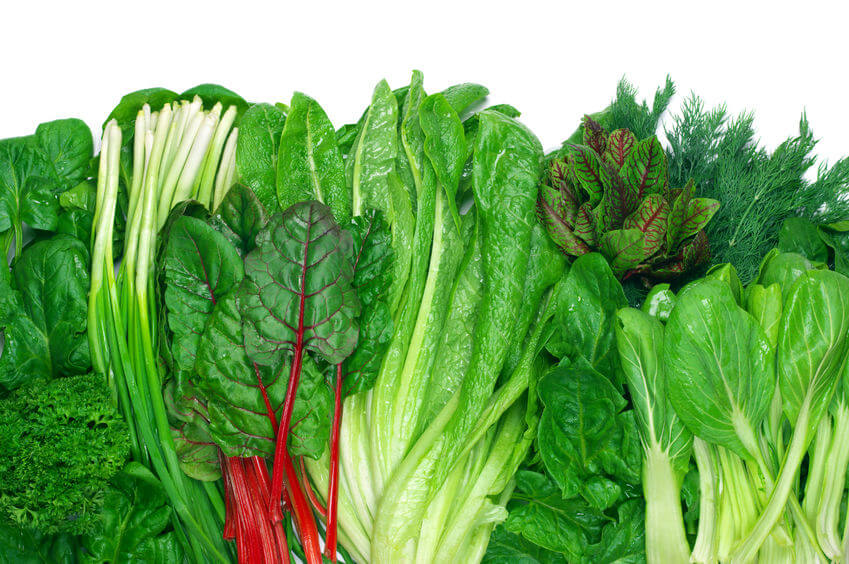
Green vegetables are powerhouses of nutrition and many contain plenty of iron. Better yet, leafy greens offer lots of vitamin C which helps the body to absorb iron. Try boosting your iron stores with:
- Kale. Is any list of nutritious foods complete without it? For an easy Szechuan lunch, sautee a bunch of kale in peanut oil with garlic, dried red chiles, and ground huajiao (Szechuan ‘flower pepper’). Serve over rice with a side of healthy homemade pickles (daikon, carrot, or a mix).
- Swiss chard is delicious steamed, or blanched and then stir-fried with garlic, lemon, pine nuts, and spices. Separate the stems and slice thinly before blanching.
- Collard greens are a flexible side dish. Bunched and sliced into ribbons, they fry up beautifully with butter, and garlic.
- Spinach is a fantastic iron source, but there’s a complication: Both cooked and raw spinach contain oxalates, which are a problem for those at risk of kidney stones. 13 It also contains polyphenols, which can inhibit iron absorption. 14 Spinach is still a good option, however, and it can be added to veggie smoothies.
- Broccoli is the food of many children’s nightmares, but try it lightly blanched (boiled in lightly salted water) and included in a Thai curry (green, red, or yellow) or in a vegetable stir-fry with garlic, lemongrass, shallots, and a little soy sauce.
- Brussels sprouts also suffer from an undeserved reputation for dullness. Try this: Half and trim them, slice out the tough central sections in a reverse ‘V’ shape, and separate out the leaves before tossing with olive oil, salt, and pepper and roasting for 15-20 mins, until slightly crispy.
- Cabbage is both iron-rich and makes possible homemade kimchi which offers a catalog of nutrients.
 More Plant-Based Foods High In Iron: Beans, Lentils, And Tempeh
The legume family of vegetables are packed with iron, and soy products are richer still. Try cooking with these healthy ingredients to boost your iron intake:
- Lima beans make a great, hearty stew. 15
- Edamame are a good snack and contain lots of protein. 16
- Lentils taste great when cooked in vegetable stock; try making dal, the Indian classic. Or, for a simple lunch salad, combine cooked lentils with chopped tomatoes, spinach, pumpkin seeds or cashews, and raisins or chopped dried apricots; drizzle with a dressing made from lemon juice, Dijon mustard, and olive oil. 17
- Tempeh can be used to make sandwiches, meatballs, and casseroles. 18
- Natto is a pungent, Japanese soy-based product with sky-high levels of iron. It is fermented, and so also provides probiotics. 19
Iron absorption is aided by the presence of vitamin C, so when planning your iron intake, try to make sure you include some of these vitamin C rich foods:
- Bell peppers
- Kiwifruit
- Oranges
- Strawberries
- Pineapple
- Grapefruit 20
More Tips For Plant-Based, Iron-Rich Eating
- Any significant plan to change your health situation should begin with a medical consultation. Ask a doctor to establish your iron status through blood tests. 21
- For iron absorption, it’s best to provide vitamin C with meals. Coffee and tea contain tannins which make iron harder to absorb. 22
- Large amounts of calcium, particularly from supplements, can inhibit the absorption of nonheme iron. 23,24
- Phytic acid, found in plant seeds, slows iron uptake. This is a reason to be cautious about your intake of almonds, Brazil nuts, rice bran, and walnuts. 25
- In general, smaller meals aid iron absorption in the body. 26
Finding enough iron can seem tricky, but there are plenty of tasty, nutritious options for vegans and vegetarians who want to make sure there’s enough iron in their diets. Just make sure to consult your doctor before making any dietary changes.
Learn More:
Vegan Myths And Misconceptions (And The Truth About Eating A Vegan Diet)
Vegan Instant Pot Recipes: Quick And Easy One Pot Recipes For Plant-Based Eating
Ultimate Vegan Shopping List: How to Kickstart Your Plant-Based Diet
SOURCES:
1. https://ods.od.nih.gov/factsheets/Iron-HealthProfessional/
2. http://www.irondisorders.org/what-is-iron/
3. https://ods.od.nih.gov/factsheets/Iron-HealthProfessional/
4. https://ods.od.nih.gov/factsheets/Iron-HealthProfessional/#en5
5. https://ods.od.nih.gov/factsheets/Iron-HealthProfessional/#en5
6. https://www.hsph.harvard.edu/nutritionsource/iron/
7. https://chooseveg.in/iron-rich-in
8. https://www.theironyou.com/2013/02/green-quinoa-salad.html
9. https://www.bustle.com/articles/134474-17-ways-to-make-quinoa-taste-better-because-dinner-should-never-be-boring
10. https://www.epicurious.com/recipes/food/views/breakfast-amaranth-with-walnuts-and-honey-51215420
11. https://www.livestrong.com/article/86402-list-fortified-cereals/
12. https://www.healthline.com/nutrition/iron-rich-plant-foods#section5
13. https://kidneystones.uchicago.edu/how-to-eat-a-low-oxalate-diet/
14. https://ods.od.nih.gov/factsheets/Iron-HealthProfessional/
15. https://www.allrecipes.com/recipes/1840/fruits-and-vegetables/beans-and-peas/lima-beans/
16. https://www.foodnetwork.com/healthyeats/healthy-tips/2013/06/plant-based-sources-of-iron
17. https://www.hsph.harvard.edu/nutritionsource/iron/
18. https://www.allrecipes.com/recipes/16777/everyday-cooking/vegetarian/protein/tempeh/?page=2
19. https://www.healthline.com/nutrition/natto#section2
20. https://www.vegansociety.com/resources/nutrition-and-health/nutrients/iron
21. https://www.nhlbi.nih.gov/health-topics/iron-deficiency-anemia
22. https://chooseveg.in/iron-rich-in
23. https://www.hsph.harvard.edu/nutritionsource/iron/
24. https://www.foodnetwork.com/healthyeats/healthy-tips/2013/06/plant-based-sources-of-iron
25. https://www.healthline.com/nutrition/phytic-acid-101#section3
26. https://www.foodnetwork.com/healthyeats/healthy-tips/2013/06/plant-based-sources-of-iron